Mares
Hello everyone and welcome to episode four of our third season of Can We Talk About...? Philanthropy Northwest podcast on leading for racial equity in philanthropy. I'm Mares Asfaha and I'm an associate director of programs at Philanthropy Northwest. And I'm really excited to be the host for this season where we are doing a deep dive into community philanthropy.
And season three's topics are based on our guide toward transformation, which if you haven't checked it out yet, you can find it on our website, philanthropynw.org. We're really excited today about the conversation because we have Lilliane Baraceros, the ED of Latino Community Fund of Washington, and Lindsay Boswell, the Chief Program Officer at Yakima Valley Community Foundation to talk about all things moving money and we're excited to address the myths about what can and can't be done and dispelling the rules that we make up for ourselves when it comes to what ways we can get money to community. So with that, I would love it if we could just start with some quick intros. We'll go Lilliane first and then Lindsay if you want to share about your role, your org, the community you serve.
Lilliane
Thank you, Mares. I am Lilliane Ballesteros. I use she, her, pronouns, and I'm the executive director of Latino Community Fund of Washington State. And our community that we serve are Latina communities across the state of Washington. We are primarily, our team is in primarily Yakima County and King County, although our grantmaking has been across multiple counties across the state. We are serving and working alongside Latina leaders, organizations, youth leaders who are doing really incredible work in their local communities.
Mares
Thanks, Awesome.
Lindsay
I'm so excited to be able to do this podcast with you. I'm Lindsay Boswell, a chief program officer at the Yakima Valley Community Foundation. I use she her pronouns. We're a place-based organization, so the work we do is really focused on where we are. So Yakima County is a big focus, but we also have recently been expanding more into what I would say is central Washington, because people cross all kinds of borders and boundaries and traverse all over central Washington to find resources that they need to support. Their work and their families. And so we're trying to keep up with that and be a little bit more mindful about where our boundaries, if you could even say that, are, where our community actually is and not have it restricted by too many artificial markers. But central Washington is really our home and our place.
Mares
Great, thank you both. We're going to start as we have been with every episode this season with a quote and really just getting into the self-imposed rules that we make ourselves suffer through in philanthropy. And so this is the quote that we're gonna start with. Money is as easy or as difficult to get rid of as you want it to be. Lindsay, what are your reactions when you hear that quote?
Lindsay
So I think this is a really important distinction for philanthropy because as you said, Maris, a lot of the rules, and I'm using air quotes on the podcast, which I don't know how to translate air quotes to a podcast, but here we are. So it's one of those things that we tell ourselves is hard to do. We tell ourselves it's too hard to get money out quickly. We tell ourselves it's too hard to find community groups that are doing this work. We tell ourselves there aren't any organizations that are C3s.
Those things are for our convenience a lot of times. And it takes some discipline to be undisciplined in how we get money out. And I think it takes a really strong team. However your office or organization is resourced, it takes a strong team to know when you're going to have to go back to the office and try really hard to convince your CFO that, this is possible and stay with me, we can do this.
and encourage folks to push outside of their comfort zones within the rules and confines of what actually is possible.
Mares
I love that, Lindsay. It takes a lot of discipline to be undisciplined. What a quote!
Lindsay
I a little bit of that to one of my colleagues here at the foundation who yesterday told me to float on ambiguity. And I was like, that is my new mantra in life. Thank you, Wayne, for that gift.
Mares
Yeah, Lilliane, what would you add?
Lilliane
I will say that Lindsay's quote in reaction to the quote is very much stirring thoughts. I definitely think we are a community foundation and thinking about how we move money, think is at the end of the day, that is what we are here to do to move that money. And I know that in philanthropy, we like to set up a lot of structure and roles. And I think there's a lot of...
Am I gonna do it right? Are we doing this right? What's gonna happen if it's not right? A lot of setting up structure around the moving of resources into our communities. And I think that as much as we have those structures in place, remembering that as philanthropy, we are filling in gaps too, right? We are a sector that actually at the core should be about like an untethered creativity that is we can move money in a way that government cannot move money. We can move money in a way that community organizations don't always have the ability to move and at the scale. And so I think a lot about back in for us during COVID in 2020, we saw the ability and the execution of the ability for foundations, for philanthropy, for community foundations to move resources quicker than we had historically moved resources. And I think we think it was just of the time, but it wasn't. We are continuing. Our communities have continued to be in crisis. And so the ease that we had at that time, I think is we can lean into the money is as easy. Right. As the stories we tell ourselves about how difficult and we need to make sure that we have the processes in place, we also have the ability to create processes that make things move quicker.
Mares
No, I think that's such a great point because you started your response to talking about philanthropy as set up. We set up all these structures in philanthropy, but really we're setting up the wrong structures or we're using structures from like 10, 15, 20, 25 years ago from before the first iPhone being around. Why are we using those same structures? They're not relevant anymore. And I think, Lilliane, you're reminding us, we set up the structures. We don't have to be chained to the structures. We can change them. One of the things that you all had talked about when we were doing our prep call for this episode also was the idea around doll tactics from philanthropy and data specifically being used as that. Lindsay, I would love to have you share a bit about that because I think you had some great insights around how people use data in philanthropy to not move money.
Lindsay
Sure. How much time do I have? Just kidding. I won't take all of it. I hope. Maybe not. I'm still processing the comment about before the first iPhone, like, I'm going to be unpacking that in my brain for a while. That's a whole other time. And we'll talk about time in a second because I have things to say about that too. But to your point about data and maybe I can even thread time and data together. We'll see if this works. This may not make it off the editing floor. We'll see.
Lilliane
Hold her time.
Lindsay
But I think that to Lilliane's point about what we learned in the pandemic was that things were happening fast and communities needed help fast. And that we didn't have time to gather a lot of info and data about who needed assistance and how exactly it was going to get distributed and what amount per each area or location. We didn't have time for that. We just knew that there were people hurting and people in need. I'm hoping that we took some of that and are still applying that for us in the foundation because there's already a ton of data out there around disparities in our community, around who's under-resourced, around who's suffering. I don't know that we need more before we make those decisions about what needs funding. For example, one of the projects that we've been involved in for a long time is around infant and maternal health in the tribal communities. There's no data I need more than what is already known about the suffering those communities are experiencing to know that we need to move money there. And the thread that I'd like to connect to the concept of time is that that's also a commodity that we control as a funder. And we sometimes use time as a way to stall. We need time for our such and such committee to approve this. And we need time to check with this part of our strategic plan when sometimes we just need to move that money. we're trying to balance. all of those things. How much time do we actually need? How much data is actually enough or necessary to know that this is where, this is what's under resourced. This is what we need to support and boost in our community.
Mares
Yeah. Thank you, Lindsay.
Lilliane
I will say I love Lindsay as you're talking about data. I love you too. I know one is so dear. Speaking of time, this is exactly the time and place I would be more than anywhere else. This concept of data too is as Lindsay as you're talking, I'm thinking about we're always trying to figure out what is the data that says
Mares
Sweet.
Lilliane
that communities are suffering and to the point of we know it, right? We know it, we've heard it, communities have said it multiple times. And what I also think we don't always step into the power of as community foundations is the community piece is knowing what your neighbors need, but also knowing in a moment's notice. Who are the three people who are throwing the best parties in town? Who are hosting the most incredible community workshops? And so this idea that the time when we have to react when something is happening, I think there's also the piece around what data are we collecting ongoing to know who's already doing the work in their local community? Who is actually. Could you name right now, could we all name three groups? Doesn't have to be a 501c3, but can we name three places where community gathers, where community celebrates, where people go to get the resources they need? I think we also think of data in such a narrow mindset sometimes that it's only about the data showing what people need, the suffering, and yet... There's so much data out there showing us what is working too in community. what are we doing to gather that data and to know it in a moment's notice when we have the resources to move?
Mares
Lilliane, that kind of gets us to this next question that we want to talk about, which is addressing some of the myths when it comes to this, which is what we hear a lot is organizations, foundations either saying, we don't have any BIPOC-led orgs in our community who are doing this work. Or we live in a really white community, so we don't have a lot of BIPOC communities here. And so people, one, feel like there's no BIPOC folks doing this work. But then two, there is a piece around how well do you know, do you actually know your community? Could you all speak to that and maybe share some advice for people who feel stuck around that? And this time we'll start with you, Lilliane, and see if you have anything you want to add or anything you want to share on that.
Lilliane
Yeah, I think this idea that there are no BIPOC leaders or BIPOC led groups in our communities that are doing the work, again, the structures, right? When we look at the structures is how do we break free from some of those structures of thinking part of it is that some of our communities are not, they do not have a 501c3 status and yet there is a community group that for the last decade has been hosting dinners and providing funding for families in need and driving people to the doctor and more and more. so part of it is also being in community. And I don't say that flippantly. I don't say be in community. think about food. think about celebration, I think about space, how are we connecting so that we're actually finding out what is happening down the street, right? Where are people gathering on a Saturday afternoon? Where do kids go after school to have fun together? And I think part of this is that when we just think of the structures of the 501c3 status. In 2020, we saw a lot of new groups get their 501c3 status. Us as a community foundation, Latino Community Fund, provided fiscal sponsorship. And we saw a huge increase in 2020 of fiscal sponsorship. And a lot of that had to do with groups that didn't show up overnight. They were already, they were in Moses Lake doing work. They were in Yakima County for a decade, they were in South Seattle hosting local community arts events. so looking outside of the structure, I think also starts to debunk these myths. These myths, I'm gonna also air quote with Lindsay. I feel like I need to throw in some air quotes here. But I think really thinking about that it isn't always going to look the way we think it's supposed to look. And as being a community foundation, like how are we also showing up in community? How are we also finding out what's happening that is not part of the IRS structure, right? Is not part of a board governance. It's all the pieces that are before, they're during, and they're after the 501c3 structure.
Lindsay
Lilliane, I love what you're talking about regarding the mythical and magical and sought after 501c3 structure that has long been held as the standard and the only standard by which we can identify how we move money. And starting during the pandemic, but we've carried it forward since then, there are so many organizations and so many people doing work that is absolutely what the IRS would call charitable purpose. I don't like the word charitable, if I'm going to, I'm referencing, there's all the air quotes. I'm all over the place. Charitable purpose. Doing that work. And we have leaned into moving money to those. So I have two little examples. One of them is an organization that actually started as a communications and outreach group, specifically for Spanish speaking communities in central Washington. And during the pandemic, they ended up stepping into a facilitating and promoting health information through Promotoro work. And they're still a business. They're not a C3, but we have done quite a bit of work with them in funding their charitable purpose work. Again, there's that word. Funding their work that would meet the standards of a 501 C3 organization. We've not asked them to change the status or how they're organized. We've just figured out a way how to move funds to them through very specific contracting process to support that arm of their work, and they're incredibly efficient. They know their community, they're getting it done. And that was new work for us, and that was a little bit scary, but... One of my dear colleagues whose name is Jessica always says that you need to practice these things, right? So even if it's scary and philanthropy, you got to practice and try it with an organization that you've got a relationship with and is willing to let you make mistakes while you're doing that. And then we also have much like Latino Community Fund, we have really leaned into our role around providing fiscal sponsorships, which again is a complex, can be complicated. And we're figuring it out as we go, but we came across an organization that had been doing work in community for 20 years on a youth after school and summertime programming. They actually had all the structure they needed for C3. They just needed some help in getting paperwork signed and filed. We're working on helping them with that. And then the meantime, they're fiscally sponsored. And that means that we're helping to buy pom poms. Which, when I had to tell, again, my CFO is...quite saintly, she's very patient with all the wacky things that we bring home and we're like, we gotta buy a whole lot of pom poms right now and a snow cone machine. Because that was part of their community outreach. again, what they needed help with was moving the money, because they were putting it on their own personal credit cards and figuring out how to get reimbursed. And so we had to be told which pom poms to order, because that is not our expertise, but we helped do that. Just we helped move the money. That was what they needed. They needed help moving the money. And that's where we tried to be of service.
Mares
I mean, I think that's such a great example because there is a certain way that people think, quote unquote, we're using all the quotes today. All of them. Yeah. That quote unquote good work or worthy nonprofit work looks. And a lot of times it's just people are doing great work. We just need to shift our frame as the philanthropy folks for what good work is. And like you said, move the money.
Lilliane
Mares, was just going to, I wanted to share, I love that example, Lindsay and the pom poms. We have been able to work so closely with Yakima Community Foundation, get to know each other over the last few years. And our Yakima director, Christina, has really pushed us also to think about other ways on how we move resources. And in 2020, just following. The other thing we were doing was, and have continued, is to sponsor Pride events in the state of Washington. And I will not forget that Christina called and said, we are buying boots because there is a drag show and the drag performer needs boots. And that's an example of the way we move that was we sponsored events that had some 501c3 structures in parts of the state and others that didn't have it. And so supporting and buying some of the supplies for the event. And you might look at it the surface and yeah, we were like boots. that is when we think about community safety, thinking about BIPOC communities in so many parts of our state, having the Pride event was so important, right? That is where people get their resources and they connect with each other. And there were
Lindsay
And it's awesome.
Lilliane
Resource booth tables at the event and people are getting information about what they need. And so this concept of community building and safety and where do we fit in was we're going to provide the sponsorship in a way that is going to let the group do what they have been doing already. And we're going to support that work. So I think the reframing, just, Lindsay, as you were talking about the pom poms, I'm like, we have pom pom stories actually.
Lindsay
We do. Boots and pom-poms. Also, you need people. making a heart shape with my fingers because I don't know how to do the podcast thing, really. But you need people like Christina who are in community, of community, no community. I've called Christina countless times to find out where's this going on? Where can we direct some resources? Who can we advocate for? Where does somebody need a connection made? Those are invaluable.
Mares
kind of want to dig into that thought because we were talking a lot about relationship building. And what I'm hearing from you all is you have to resource staff to be in community. You have to resource staff to do the relationship building. It's not just, it has to be explicit in someone's role. And I don't know if, I don't know how many community foundations have that in their roles for folks. So. Lilliane, since you're talking about Christina, who's on your staff, maybe you can talk about what that looks like and maybe give some advice for folks who want to do the relationship building, the trust building piece, but aren't sure how that can look day to day. The other reason I wanted to bring this up, because the other thing we've heard from folks is that from community foundations is, ⁓ we've tried to reach out to so and so marginalized communities. Like we've tried to reach out to BIPOC. communities and they don't really need our funds. They're not applying to our funds. So I'm like, okay, I think at that point, that might be a trust and relationship issue, not a they just don't want our funds. hold our hands up. Let's move on. So we'd love to hear about how you all approach that.
Lindsay
What time do we have?
Lilliane
Yeah, yeah, that's the, have online applications and then you have to sign up and have an account and then you have to have a password and then you have to input all your financial information uploaded and then you have to list every single board member that you've ever had in the entire existence of your organization and describe in nine bullet points how you're going to hit every goal to do community building. And then you have to tell us what data this is based off of and make sure that you quote a local source of some kind. Then we don't understand why they don't apply. We say that people are not applying and definitely love our structure and set up lots of structure before money moves. And so I think for us, it's been really important with our team is to really have that relationship building at the core. And we're really clear and over the last few years, especially, we had a lot of organizing, a lot of conversations on Zooms, online, on phone calls. And a lot of our communities were still in person and they were out as soon as possible, hosting pop-ups, providing resources at schools. And so I think part of it, when we think about it is the relationship building is not gonna happen over an email. They're not gonna happen over, even over a phone call. I think the reframing of the expectation that team members, part of the job is to be in relationship and not just to be in relationship on our terms, which means it isn't just hosting a once a year convening and having people come out. I saw government departments in the past host a community listening session on May 1st. If you are working with immigrant communities, if you are working with workers, if you are working with BIPOC leaders, May 1st is not a day. A day and people are out in action. And so even something like that is, we paying attention to...
Lindsay
It's not your day.
Lilliane
what is happening in community. And when we think about relationships, I think it's going to the event before you even call the person to have a meeting. Are we going to the event? Are you going to the art opening? Are you going to the downtown art fair? Are you going to where people are gathering? And so the relationship piece for us has been being really explicit about the work is happening before the, I'm gonna air quote, the work before we're writing the grant application, before we're providing that information online. If people are not applying, are reasons, and do we know the reasons?
Mares
And the reason can't be they just don't want to.
Lindsay
Or they don't need the funding. I would build on what Lilliane shared about the relationship building part of the work. So for us here at the Yakima Valley Community Foundation, we have what we call our grants and programs team. There's a few of us. And what I always tell my teammates is that if we're in our office all the time, we're not doing our jobs correctly. We should be not sitting at our desk all the time. We're out and about and all over the place. We're at stuff in the evening. We're at stuff on the weekends.
Mares
Yeah, or they don't need the funding.
Lindsay
Sometimes our schedule is hard to predict because we're in lots of different places and spaces when we're trying to just support work that community is doing and also recognizing that we can't cover all of the things. We can't get to all of them, but we try to show up when we can. And we're even starting to do things like attend conferences, which sounds not that groundbreaking, but I shall explain. Where it gets better. our office is not far from the Convention Center here in Yakima, which is a popular spot for lots of statewide conferences. Last, gosh, it must have been last fall, there was a statewide conference for public health conference that was here. And one of our grantee partners, the one I mentioned earlier that is ⁓ not a nonprofit but is doing nonprofit outreach work, they had a session where they were presenting at this conference and it was beautiful. We did not register for the conference. We just went down and went to their session.
Mares
We love it.
Lilliane
I love it.
Lindsay
Throw on our name tag. We went down there, which is absolutely flaunting the privilege we have in philanthropy, but also showing up for community. And so we're actually doing the same thing again this week. This isn't going to air until a while. We're crashing another conference this week. There's an Access to Justice conference this week where some of our grantee partners are presenting, talking about their journey around rematriation of land and ownership within our lower valley area. And so we're just going to go for their session to be a friendly face in the crowd, to meet some folks, help with follow-ups or connections if that shows up. And we try to hop in on some very traditional, highly structured places, like a conference where there's a presentation and it's a statewide thing. And in just in space, in community, when we're out and about on our own. will also say that I have had many a conversation about a grant application in the aisles at Costco. Sometime I talked to somebody once in my pajamas when I was taking my garbage can out. That was interesting for them and me probably.
Mares
But I think what I hear you saying too is even like you going to conferences that you haven't signed up for that you're crashing use the word like your privilege and philanthropy. A lot of times we are we're shying away from our power, our privilege and philanthropy and there's ways that we can actually leverage it in a good way to build relationships and to move money. So I love that you're crashing conferences for the good of community really.
Lindsay
The things that we find to be... Right? The things that we find to be so rebellious in our office lives sometimes can feel a little bit silly, but sometimes it's the small things that make a difference.
Mares
We're going to actually go into the soapbox snack break now and then we'll get into the out of the box resourcing strategy piece after. Okay, so we're gonna give you all a little bit of a break or you can join me as I get to be like old man yelling at clouds mode, which I love to do.
Lindsay
for this part of the podcast. I think this was the hook that got me to overcome my total fear of doing this. It's Mare' soapbox nap.
Mares
Yeah, I've had three.
Lilliane
about this, I've been thinking about it.
Mares
Now I feel so much pressure. Okay, I have notes on my phone for my Soapbox snack break. And I don't, this might be a really niche topic, but I feel really passionately about this. Okay, this is my Soapbox for today. I love watching game shows. Like I love watching like Jeopardy and Family Feud and The Weakest Link and things like that. And usually we have regular, degular people. It's just Molly from Staples or John from the grocery store, but now they're doing more and more game shows to just celebrity versions. So now I'm seeing the Real Housewives, I love the Real Housewives of Atlanta. I don't want to see them on Family Feud. Give the money to a family that needs the money. I'm so, thank you, yes. I I love Name That Tune.
Lindsay
Isn't that what their show is anyways?
Mares
Okay. But now they just have, don't know, Julia Roberts or whoever they have. I love Julia Roberts, but not on Name That Tune, Guessing Songs. And then obviously the celebs are playing for charity. I'm so sorry. I don't care about none of that because I just feel like the regular degular person just living their lives need the money from game shows. And a lot of the times when they have the celebs on the game shows, they'll like adjust the rules and make it easier for them to get money. Like on Name That Tune, which is basically like the round at the end, they'll have them like guess seven songs. And then if you're Catherine from Trader Joe's and you get a song wrong, they're like, bye, you're done. You're done. Get out of here. You're not getting any more money. You lost. You're a loser. if you're like, yeah. But if you're like, I can't think of it. Richard Gere. Okay, and you're on the show and you get something wrong. They're like, just keep going. It's okay. Just keep going. Keep guessing the songs. We don't care that you got it wrong. It's so frustrating. It's so frustrating. And sometimes the thing that really pisses me off is they'll have a celeb who they'll ask them, what's your charity that you're playing for? I'm playing for my own foundation. Huh? So you're telling me you already have money and you're here to get money to give to yourself to give to your foundation.
Lilliane
We need to know what Richard Gere's payout rate is.
Mares
Thank you. Thank you. It's so frustrating. Basically, I'm just mad. I just feel like you're a celeb, you have money. Give the money. Give your own money. You have money, I thought.
Lindsay
Get out of the way.
Mares
Let the rest of us have something! Okay, that's my soapbox.
Lilliane
We're also losing out, I feel, on so many memes from just people who are going to say random things on these shows versus celebrities who are being probably more careful.
Mares
They're so media trained. Not fun to watch. Not fun to watch at all. Okay. just got really warm because I feel very passionate about this. Okay.
Lindsay
I'm glad we could provide this space for you,
Mares
Thank you for this. that out. Probably no one understands what I'm talking about because nobody is watching Celebrity... or name that tune. The other thing is I definitely will still be tuning into the celebrity versions of these game shows. So I'm a hypocrite. I'm part of the problem. But I like to be entertained. It's in for me. Okay, that's our soapbox.
Lilliane
Name that too.
Lindsay
Yes.
Lilliane
I feel this anger. I knew that I would walk away with something here on what I would then be angry about.
Mares
Yeah, that's what this is for. So having done our snack break, we're going to go back into our regular conversation and talk about out of the box resourcing strategies. So Lindsay and Lilliane, your orgs have done giving to individuals, you've given to mutual aid funds, you've given to BIPOC businesses, you've really gone beyond the bounds of just giving to 501c3 structures. We don't want to just brag about all the good stuff that you've done, but we want to make sure that other people can get some how-tos and an understanding of how to shift their structures, what ways to shift their practices so that they can also do similarly cool work. And actually, I think where we'll start maybe is a little bit different of a point, which is ESG and investment, everyone's favorite topic. The reason we wanted to include this in the podcast is because moving money looks a lot of different ways in an org and we don't want folks to just stay focused on your grant making. There's a lot of ways that investments should be aligned more to our values and Lindsay would love to hear how that's looked for you. Again, what advice do you would give to folks? I know you're in the middle of doing this work and I think that's a helpful, that's actually a helpful spot for others to hear from you on.
Lindsay
Sure. So I can talk a little bit about our journey with our ESG investment portfolio, which I was thinking about, I was trying to prep for this, and I was like, do I know what ESG stands for? Environment, Social, and Governance? It's like governance, right? Not government, because I a feeling some kind of way about that right now. So when I say that, environmental, social, governance, which is how we conduct ourselves. Yes. I have colleagues here at the foundation that are a little more versed this than I am, but the general gist is that we have that as an investment option for funds that we manage on behalf of others so that the way your money is making money and how it's making money has a conscious attached to it. And one of the things that I often tell grantees when I'm talking to them about other grants that they might be applying to, because we try to also offer some counsel and just or just a proofread for grants that they're submitting to other places is that I always encourage them to find out where the money's coming from as best you can. Sometimes that's hard. Money is good at hiding its source, but it's important. That one just came right out. But I always encourage them to try to, as best they can, find out where it's coming from just so you know what that connection is that in line with your values. And sometimes... We really need the funds to serve community and we have to accept that. And that's okay. We're not all in a place where we can decline funding because of its source, but it's, it is one more way that we can be savvier about how philanthropy works and how these engines work around moving funds. And it took us probably, I want to say up to two years to really get the structure set up for our ESG portfolio. It has a much smaller investment pool than our bigger one. I think we're actually, we're north of $85 million in assets under management here now. Most of that is in our traditional one. But the fact that we have that option and that we spent that much time for an option that is not as utilized, but we had the discipline to stick with it and provide it, I think is really important. Because it might take it five or 10 years before it gets more traction in it or even down. don't know that-
Mares
See you in the arm.
Lindsay
Yeah. And our goal, I don't think is that one supplants the other or that they're even. It's really just, it's providing that option and understanding of where the money comes from and how it's made to be mindful of that.
Mares
And there were some things I know you did, like you all changed investment advisors to do this work. You had a lot of conversations with your board. I know you mentioned like there were a few times where it was like, we might have to stop doing this work. Like you've talked about like some potential off-ramps. What are maybe one or two words of advice or yeah, words of advice you would share with other folks who are thinking about this?
Lindsay
Sure. we did, ⁓ we had an investment advisor change right around that time, which coincided with a contract ending and it was time to send that out for rebid anyways. And there was a growing interest in that ESG portfolio. So we thought, you know, it would be really fun and super easy is to do both of those things at the same time. Thank you, Investment and Finance Committee for all your hard work on that. But I think going back to the concept of it takes discipline to be undisciplined, kudos to our leadership here with our CFO and our CEO and really sticking with that because it wasn't, it took a while. It took a year to two years. And I like to tease gently and with love in my heart, our finance and investment colleagues here, that's not typically their MO, right? things are very specific and straightforward and deadlines are set and you meet them. Whereas grants and programs land, I prefer to think of those things as guidelines, not so much as hard and fast rules. And so we're much more used to shifting deadlines and projects that sort of take a meandering path, giving yourself time to really explore that option and making exploring that option around different investment alternatives as the goal. Rather than getting it to a certain amount that's invested in it or whatever, however other metric you could have, but having the goal being take the time to explore that option. I think something else we did was had some folks on our investment and finance committees that were not what you'd consider experts in that. So folks from our board who had lots of expertise in how the working community gets done, less expertise in the finance and investment. They ask different questions. You have to spend more time bringing them along to, cause you're teaching a whole different set of skills and information about how all of the financial stuff works. But that can be really valuable. It can be really hard because they're trying to learn new things. You're trying to learn new things. Everybody's trying to get stuff done, but giving yourself the time to do that, I think can be really powerful.
Mares
Yeah, I think that is such an important point around who we have on our finance and investment committees. Again, we are in 2025. The goals of a lot of community foundations now are not the same as they were 25, 30, 15, maybe even 10 years ago. And so the finance and investment committee should also reflect the direction you want to go as an organization. So I think that's a really important point to bring up, Lilliane, again, you all have done. So many different things, again, like individual giving, giving to mutual aid funds, businesses. And one of the things you talked about was in our prep call was really working with like your finance committee to build up their ability to do this work and also the shift around how you think about compliance, which I loved, which I think we could all use that kind of mindset shift around compliance. Can you share a little bit about both those points on your end and how it supported you all in? Granting out in outside of the traditional C3 structure.
Lilliane
Yeah, Lindsay, I love that your shout out to people on the finance committee who are not air quotes, finance experts and gotta say the shout out to CFOs and to anyone who is leading finances at a community foundation and is open to hearing the questions that may seem out of the box. I have to say that has been a huge learning and a big appreciation. So in 2020 with, I think for us, LCF has very much leaned into this role of moving at times government funding to communities in a way that can be more accessible. Being a fiscal sponsor, one of the biggest barriers we see is the waiting to get reimbursed. That's a huge one. the not having the, again, quote unquote, the structures in place to be able to take that money and as an organization and move it. And so for us, we have played that role a lot of times. During COVID, we did over a million dollars in rental assistance in Yakima County alone. And that was all to individuals. was to individuals. It was working with so many different structures to get people's rent paid. And then over the last few years, we've done almost a million to small and micro businesses in the state of Washington, in multiple counties. And so I say that, and that is what the big learning for us is our team in 2020 into 2021, our finance team grew. We had one person. We now have a team of five. And that's what we had over the last few years. And so it was a real big intentional investment for us to be able to actually have the capacity to move money. And I think the lesson has been that it isn't about us shying away from compliance. We haven't done that and just said, we're just gonna move it and it doesn't matter if you're listening and you're thinking, it didn't matter and just move it. And we are all about compliance. We have, and one of our, finance director loves how our audits come out clean. Our entire team celebrates. It is a joyous moment. We, everybody knows that the audit is happening. So we've had single audits because of federal funding in the past. We've had audits on all of our finances. We've had audits on individual contracts. Compliance has been so important for us. So thinking that moving resources doesn't mean that you still can't be the have the compliance piece, that's not the case. It's been very much at the core of making sure that we are doing it right and that we're not putting not just the foundation at risk, but that we're not putting any of our community partners at risk, any of our grantees. And so it was a big investment for us to grow our finance team. What it also provided was a little bit of additional capacity support, to be honest. Last year we did grants for environmental justice projects in Washington. And as one of the things and one of the ⁓ out of the box pieces that we thought about was it was a community grants committee that made decisions. Our first round was adults and our second round were youth leaders. Super exciting. They helped us make all the decisions on where the money was going to go. And as part of that, we also allowed groups to apply who had been doing work, but were in the process of getting their 501c3. so following up, we said, our committee decides that you are one of our grantees, then we're going to pay matchmaker. And what we actually did is we found another organization to serve as the fiscal sponsor for a couple of our groups in order to be able to move the resources. I think in the pieces of us thinking about there are so many ways, there's the moving of the resources, there's supporting the capacity building of organizations and grantees, and there's a whole network that exists for us to tap into to be able to make those moves. I'll say around the individual giving as well. That's been, again, in 2020, and it's continued is that in Yakima County, we had workers who were on strike. because they weren't getting the proper PPE in their workplace. They weren't getting the proper hours. Their lives were at risk. And for us, it was really important to support. that's where having Christina in Yakima, but even without, it was that we all understood what was happening, right? We all saw it. And we said, what are the ways that we can support? And this is not a community organization necessarily, but these are individuals who are not working for a week. And so we were able to provide some individual giving and our audit came out clean. So it's possible, it is possible, right? It is the compliance pieces in place and the asking sometimes the question of, okay, what are other ways we could do this? And getting creative and tapping our collective network. I remember part of our work with Yakima Community Foundation was a national funder coming to Washington state saying, we want to provide funding for Latino immigrant groups in the state of Washington. Can you give us a couple of names of organizations that you know are doing the work? And we came together with other foundations, including the Yakima Community Foundation and said, could we collectively actually match what the national funder is giving? And could we figure out how to collectively give that money? Which grants are going to go through Yakima Community Foundation? Which ones are going to go through Latino Community Fund? Who else is in the mix? And so lots of different ways to approach it.
Mares
Great story, Lilliane. Yeah, Lindsay.
Lindsay
Who knew? There's so many things to talk about. may never give this microphone up.
Lilliane
Lindsay are going to have calls in the future.
Lindsay
Yeah, we are. Only with this mic. ⁓ Fantastic. I wanted to pick up on the thread that Lilliane was talking about around the importance of compliance. Again, lots of shout out and much love to the finance members of your team who keep everything upright and on the rails and within the confines of your audit because it is really important. One of my colleagues here has talked about that we need to figure out how to set up a culture of compliance, which originally I sort of recoiled that because grants and programs were a little bit more, we'd like to be creative in solutions. But what he helped me understand was that understanding really clearly what is compliant and what is required is a really important tool in being able to push right up to what those requirements and guidelines are. So like if the more you know about what you can and can't do and what generally isn't done because it takes more work and folks are just don't want to do that is an important distinction. Particularly if you're working with other organizations, like you're helping re-grant funds or things because ⁓ there's a lot of habits and behaviors that funders have just fallen into that you might not actually have to do. There's things you could do a little bit differently. so, like I said, I'm grateful to those members of my team. Help understand that is really important because you need to be savvy enough in that. the savvier you are and the more your team understands about compliance, the more you can be creative within those. And there's a lot, there's still a lot you can do in there.
Mares
I love that because a lot of times it's us saying no to ourselves before the law or the IRS would do anything about it. That's a fantastic point, Lindsay. Thank you. We are going to get into our final question, which is starts and stops. So when it comes to all things moving money, what do you think community philanthropy should stop doing or start doing.
Lilliane
I'm trying to come up with two distinct ones because in some ways it's a little bit of combined to the start stop.
Mares
Don't say no to yourself, Lilliane.
Lilliane
I need to stop thinking that they have to be to disdain.
Mares
Yeah.
Lilliane
I definitely think the stop is very much what we've talked about, I think, a lot here. And Maris, you always bring up so much around these myths that we tell ourselves. we need to stop, shine away from our power as philanthropy and as community foundations. is power in the word foundation and there is power in the word community. And we get to have both. So I think we need to stop that piece. I think the start is related to that in terms of we need to start and continue thinking creatively and really lean into the mandate that we have as philanthropy to invest in our communities, to support, to move money, to move resources. And that really is about the relationships. And so we need to start having meetings at our local coffee shops. We need to start going to the music festival on Saturday afternoon in our local community. We need to start building a relationship from a different place than we think it should start.
Mares
Yeah. Relationship, build a relationship from a different place than you think it should start. I love that.
Lindsay
Ooh, nice, ooh. I think mine is something I've learned from working with our youth leadership council. So we have a group of high school students that do a grant round for us every year and they are smart and discerning and mature beyond their years, which always gives me hope. But one of the things that they're really disciplined about is they don't make decisions so much based on who's being served, but who's deciding how the money gets spent and what the programming looks like. So they are really savvy about representative leadership and connecting with organizations where the people they're serving match the people in leadership and those decisions are made from a place of knowledge and supporting their community and not out of a disconnect between those two things. And that's been consistent with the last, we get a new group about every year or so we have some folks that can continue and we always have new ones and that's been consistent throughout their time with us is that they're really disciplined about that. And they make it look very easy because it's a very clear rubric for them that this is really important. And they also really value the importance of showing love and affection and support for your community from a really genuine place. So I think figuring out how to resource that, how to resource love and appreciation, how to resource folks based on who's making the decisions and how, and not just on the old data we have about who's being served and where the biggest need is.
Mares
Great. Thank you both so much. I really appreciate just everything you've shared around moving money. And I think this conversation is a little different. Usually when we're talking about granting, we're like, OK, what can we do to trust-based philanthropy, general operating, multi-year? We know those conversations are already out there. So we wanted to have a different conversation here. So I think the points you made around compliance, leaning into compliance so that you can actually do the work you want to do the points around working with your finance committee, finance and investment committee, with your CFOs, thinking about and really questioning, are you doing things out of convenience for yourself? Or are you doing things because you're really centering what community needs and how to move the money to them? So really appreciate everything that you both shared today. Thank you.
Lindsay
Thank you, Mares. Thank you, Lilliane.
Lilliane
Thank you, Mares and Lindsay.
Season 3 episodes are inspired by our guide, Toward Transformation: A collection of lessons from 20 community philanthropies working to advance equitable philanthropy
Overview
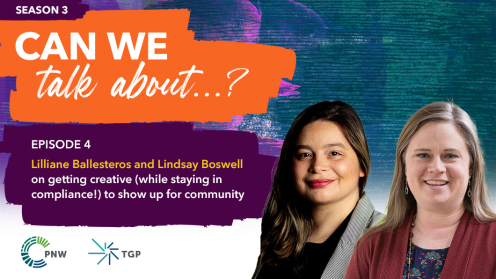
Lilliane Ballesteros (Latino Community Fund) and Lindsay Boswell (Yakima Valley Community Foundation) join us to challenge philanthropy’s biggest myths and self-imposed rules.
Together they explore what it looks like to move money differently: from buying pom poms for community events to setting up ESG investment portfolios and even to making grants directly to individuals – and yes, all while staying in compliance. They share how they embrace compliance not as a barrier, but as a creative tool for showing up for community in authentic ways.
This episode underscores a central truth: relationships don’t happen over email. They happen when philanthropy shows up where community already is — at BBQs, celebrations and neighborhood gatherings — and when funders rethink data, time and compliance as levers for equity rather than excuses for delay.
Lilliane Ballesteros
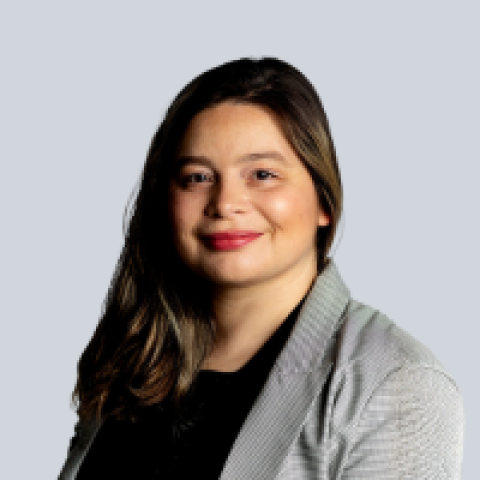
Lilliane serves as the executive director of Latino Community Fund of Washington State (501c3) and Progreso: Latino Progress (501c4). She previously served as the director of development. Her experience is rooted in supporting the capacity and power of nonprofit, community organizations and local leaders. In her current role, she supports and works alongside a team to build statewide power with Latinx/e communities, advocating for equitable policies. Lilliane is on the board of Philanthropy Northwest, Front and Centered and the Washington Resource and Conservation Development. She is also a member of Radial Donors of Color for Collective Liberation (RDCCL), a network of donors of color that function under Social Justice Fund NW.
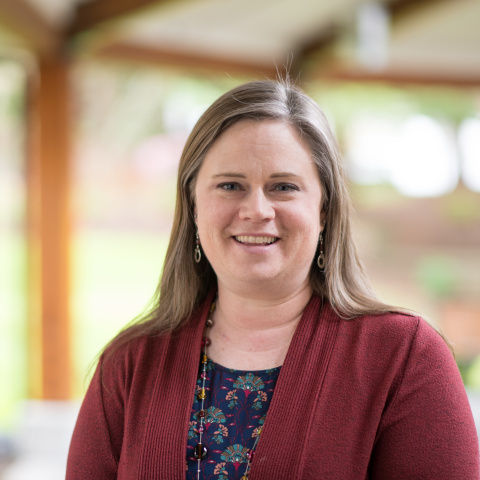
Lindsay Boswell
Lindsay Boswell currently serves as the chief program officer for the Yakima Valley Community Foundation (YVCF) where she oversees community-based partnerships and fiscal sponsorships along with discretionary grants issued by YVCF. Lindsay has been with YVCF for over nine years after nearly a decade managing the fundraising activity for Heritage University in Toppenish, WA. Lindsay holds several degrees from the University of Washington and spent the early part of her career in higher education. Lindsay is a dedicated champion and advocate for communities and families in Central Washington.
Key Lessons & Insights
- The discipline of moving money quickly
Lilliane and Lindsay remind us that moving money is often easier than philanthropy makes it out to be. Too often, foundations over-engineer processes, using time and additional requirements as ways to stall. They ask us to reflect on how much data or time we really need to know what’s under-resourced. As Lindsay puts it, “We tell ourselves rules that are actually for our convenience. It takes discipline to be undisciplined about getting money out.”
- Re-thinking dominant ideas about data
Data doesn’t only exist to show community needs or suffering, it can also tell us what’s working. Both guests encourage us to expand our understanding of data beyond deficit-based measures and consider the many other indicators that reveal community strength, celebration and resilience. As Lilliane highlights, sometimes the most important “data” is simply knowing where people gather, celebrate and access resources.
- Relationships happen in community, not over email
Philanthropy cannot build authentic relationships with community solely through inboxes and formal processes. Instead, it requires showing up where community already is — whether that’s a neighborhood BBQ, cultural celebration or local gathering. Lilliane encourages us to “start building relationships from a different place than we think we should start.” Both Lindsay and Lilliane underscore that authentic presence and participation are the real foundations of trust.
- Compliance as a superpower
Rather than seeing compliance as a barrier, both guests frame it as a superpower. By understanding what the rules do and do not actually require, foundations can open up space to move money in more creative and responsive ways — including directly to individuals. As Lilliane notes, their foundation gave directly to individuals and their audit still came out clean. Knowing the rules provides more freedom to act boldly on behalf of the community.
References & Resources
- Lindsay shares how Yakima Valley Community Foundation built an environmental, social and governance (ESG) investment option — aligning “how endowment dollars make money” with mission and values.
- Both guests describe fiscal sponsorship as a practical way to fund groups that don’t (yet) hold 501(c)(3) status. This helped move resources faster, legally, and with strong compliance.
Starts & Stops
This season, we’re asking all guests what philanthropy ought to stop doing and what philanthropy needs to start doing. Here’s what Lilliane and Lindsay shared:
Start:
- Lilliane: We need to start really thinking creatively. We need to start building relationships from a different place than where we think it should start.
- Lindsay: We need to start making decisions not so much based on who's being served, but rather who's deciding how the money gets spent and what the programming looks like.
Stop:
- Lilliane: We need to stop shying away from our power as philanthropy and community foundations. There is power in the word “foundation” and there is power in the word “community.”
Credits
This episode of Can we talk about…? was produced by Aya Tsuruta, Emily Daman, Mares Asfaha, and our audio engineer Josh Suhy, with editing support from Karalyn Jenkins. Special thanks to Asha Hossain (Graphic Design), Nancy Sanabria (Intro/Outro Host), Komiku (Music) and to our Building Community Philanthropy partners for their thought partnership and support.