Priming Our Organizations and Ourselves: Readiness for Equity-Centered Strategy



In 2024, we set off on a journey to learn how our sector is centering equity in strategic planning. As we continue our research, we're uplifting lessons and tools emerging from this work. You can learn more about our equity-centered strategy initiative in the first blog post of our series: Meeting the Moment with an Equity-Centered Approach to Strategy Development.
As we previously shared, a foundation’s strategy represents its values in action. It encompasses the culture, mindsets, ethos and behaviors of a foundation, and represents how the foundation intends to live into their values. Equity-centered strategy is a framework for foundations that aims to deeply embed equity throughout their strategy development, towards redistributing wealth and power to BIPOC and historically marginalized communities.
However, equity-centered strategy does not just happen, nor does it begin when an organization starts its strategy development process. It begins much earlier, with what we call “readiness,” which is when foundations build and strengthen their skills, knowledge, relationships, leadership and mindsets to advance equity.
In our research we found that readiness shows up in five categories across an organization:
- At the individual and interpersonal level
- Organizationally and in organizational culture
- At the leadership level
- In a foundation’s programs, through its strategy, and in measurement, learning and evaluation and in;
- How a foundation shows up in its community relationships
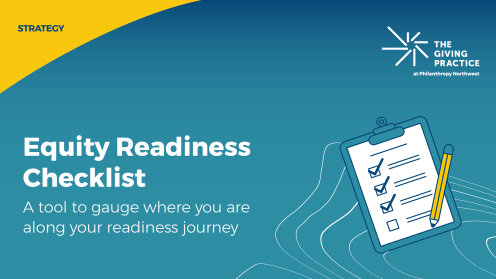
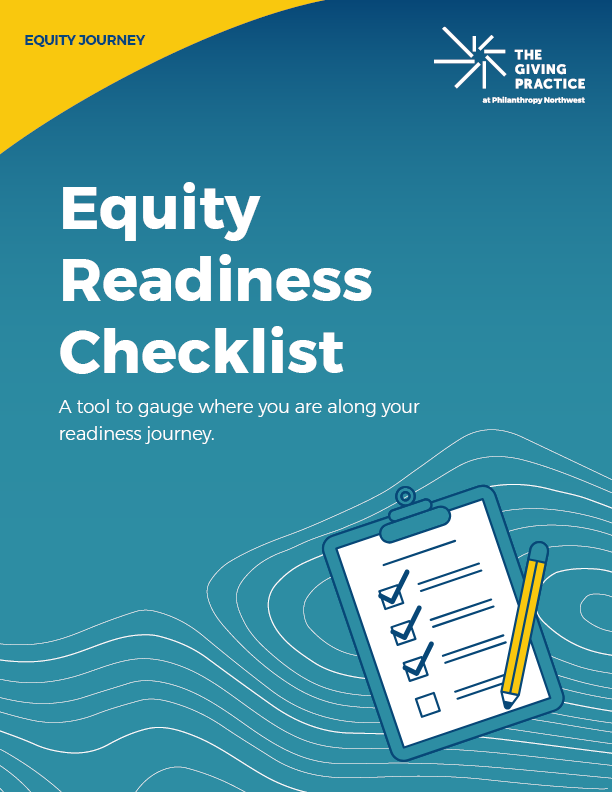
We turned these five categories into a tool that organizations can use to gauge where they are along their readiness journeys. While this tool is not a comprehensive list of every activity a foundation can take in each of these categories, it does provide what we believe are key components that foundations can measure against and help them prepare for embarking on equity-centered strategy.
We invite leaders, staff and board members use this tool individually, as a group or with your consultant to reflect on:
- Where you are at in your own individual readiness. What other tools or resources could help you move forward in the continuum?
- Where the organization is at in terms of its policies and practices or organizational culture. How could these be adjusted or strengthened to help your foundation deepen its readiness for equity?
- Your foundation’s relationship with the community. Has the foundation built relationships with community partners and grantees that go beyond the check?
- We invite you to download this tool, use it and share with us other ideas or examples of how your organization is engaging in these efforts.
How ready do you have to be before you can act?
Centering equity in strategies is extremely important as we have learned that this work can help foundations quickly pivot during crises to best support their communities. We began this project over a year ago when the world looked much different, and yet the systemic inequities we sought to address still exist. Readiness is indeed important as having the foundational knowledge and shared language to interrogate power and white supremacy is key to the work. However, just like we saw in 2020 amidst the global pandemic and racial reckoning, communities don’t have time for each of us to go through the deep reflection, learning and unlearning that readiness takes before acting.
This tool can help foundations get clarity on where they are now and where they want to be on their readiness journey, so that they can do this work with intentionality and care. We have seen that when a foundation does more work on readiness, they can go deeper in their equity-centered strategy work, which, in turn, can lead to better outcomes for themselves and their communities.
An example of how we saw this done well was a private health conversation foundation that took the time to build relationships with community partners and established a multilingual community cohort focused on learning about power and systems, as well as philanthropy’s history and complicity in these systems. As a result of this cohort, other funders have established relationships with these community members, and the foundation has invited them to join the board and participate in participatory grantmaking. These same board members then helped lead the foundation through its most recent strategic planning process - one that shifted the trajectory of the foundation toward the redistribution of wealth and power to Black and global majority communities. This could not have happened without dedicating time to building relationships with the community.
We would also love to hear from you. What elements of readiness do you find most valuable to you or your organization? What else do you need to be ready to engage in equity-centered strategy?
*Our definition of equity: The promotion of systems and practices that support just educational, economic, health and social outcomes for people regardless of race, ethnicity and other intersectional identities including gender, sexual orientation, socio-economic status, disability, religion and immigration status.
**How we define traditional strategy: We use the term traditional strategy to differentiate Equity Centered Strategy from other forms of strategy, but recognize this is a Traditional strategic planning process typically occur over several months, but rarely no longer than six months for larger projects. Most traditional strategy brings in consultants to engage in secondary research, interviews and focus groups, culminating in synthesis and development of a recommended strategy.
To learn more about Emily, Katie or Lalitha head to our Team page here.
Looking for support? Reach out to us at hello@thegivingpractice.org.
More from TGP
Subscribe to our newsletter to stay up to date on our latest reflections, insights, interviews and more.